Summer-fruiting, perpetual and alpine
Three types, many varieties. Grow a mix and the harvest lasts from early summer to autumn.
How this site works. Every fact is in our own words and linked to its source, beside it. Growing advice comes mainly from the RHS, the UK’s gardening charity.
There are three main types to grow: summer-fruiting, perpetual and alpine. RHS
Summer-fruiting
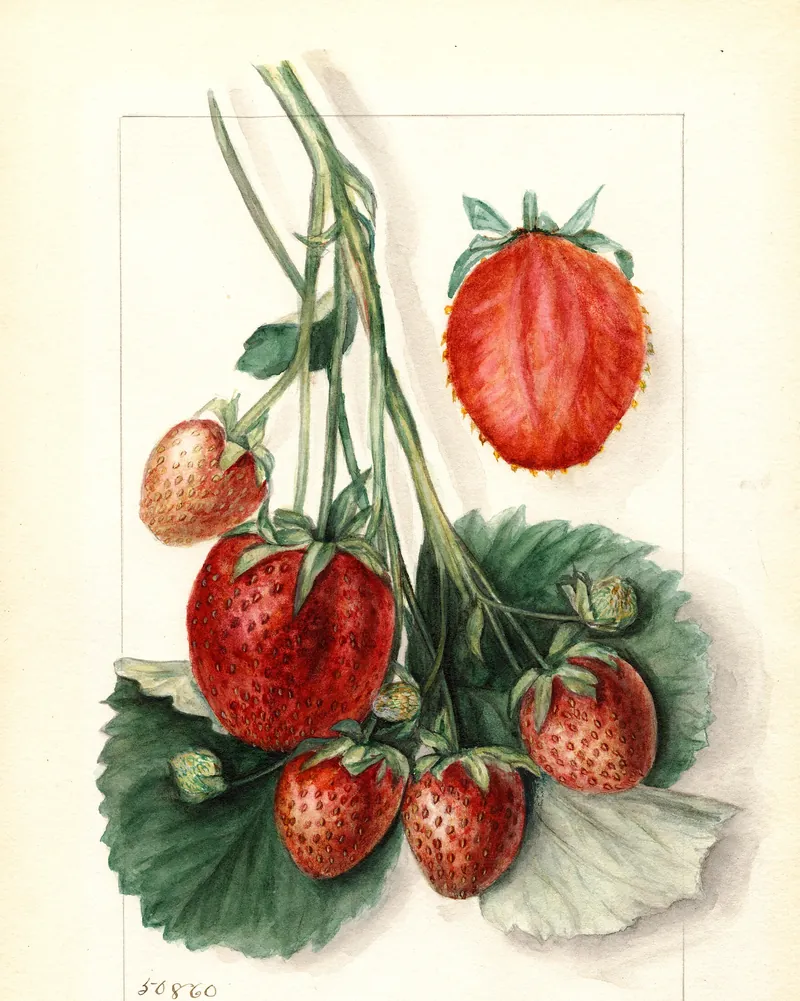
Summer-fruiting strawberries are the most popular and have the biggest fruit, with a short, heavy crop lasting two or three weeks. RHS
Early, mid and late varieties of summer-fruiting strawberries crop between early June and early August. RHS
Perpetual (everbearers)
Perpetual strawberries, or everbearers, give small flushes of fruit from early summer to early autumn, sometimes until the first autumn frosts. The crops and fruits are smaller. RHS
Alpine
Alpine strawberries, also called wild or woodland strawberries, give small crops of tiny, scented berries on and off through the summer. RHS
Alpine berries are usually red, but a few varieties have white or yellow berries. RHS
Alpines grow in sun or light shade and can be left to fend for themselves. RHS
Grow a mix of types and you can pick home-grown strawberries from early summer through to autumn. RHS
RHS-recommended varieties
The RHS suggests looking for varieties with its Award of Garden Merit (AGM), given to plants that did well in its trials. RHS
- ‘Honeoye’ AGM: early, with plenty of large, firm, well-flavoured fruits. RHS
- ‘Vibrant’ AGM: an early variety that may give a second crop in good conditions. RHS
- ‘Hapil’ AGM: early to mid-season, with heavy crops of large, glossy, sweet berries. RHS
- ‘Cambridge Favourite’ AGM: mid-season, very popular and reliable, with good disease resistance. RHS
- ‘Florence’ AGM: late-season, with firm, well-flavoured fruit and good disease resistance. RHS
- ‘Pegasus’ AGM: late-season, with large, sweet berries and good disease resistance. RHS
- ‘Rhapsody’ AGM: late-season, with large, glossy red berries and some disease resistance. RHS
- ‘Symphony’ AGM: late-season, with glossy red berries and excellent flavour. RHS
- ‘Finesse’ AGM: a perpetual, with sweet, tasty berries from early summer to early autumn. RHS
Early, mid and late refer to when in the summer the variety crops. Listed in roughly that order, with the perpetual last.
Wild and old kinds
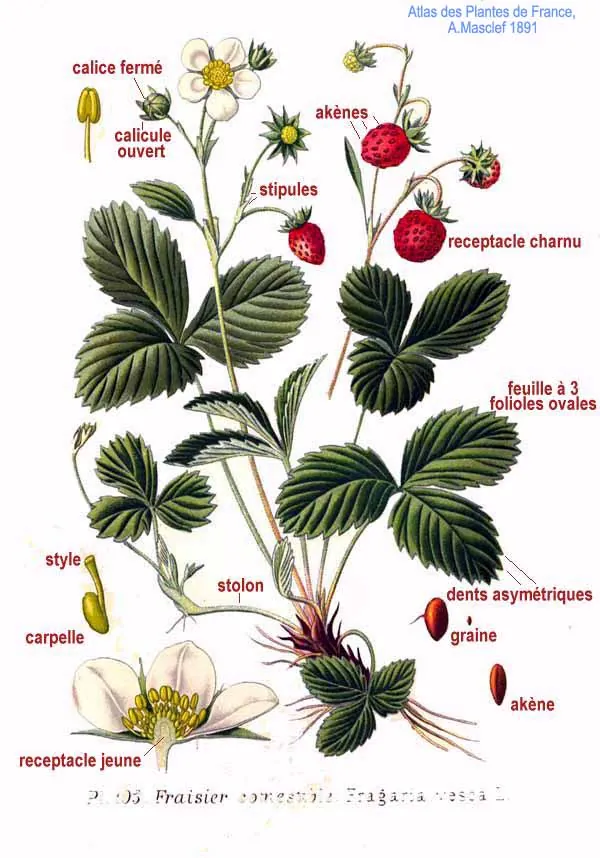
The woodland or alpine strawberry, F. vesca, grows across much of the Northern Hemisphere and has small, intensely flavoured fruits. Britannica
The musk, or hautbois, strawberry (F. moschata) is still grown in some places for its musky smell and flavour. Britannica
Common North American wild species include the Virginia strawberry (F. virginiana) and the beach strawberry (F. chiloensis). Britannica
Wild strawberries grow in open woods, meadows, sand dunes and on beaches. Britannica
Next: pests and problems →